India’s IPO boom is waning.
After two consecutive years in which companies raised more than 2 trillion rupees ($20.78 billion) annually, deal flow has slowed sharply as weaker markets and sliding valuations prompt issuers to wait.
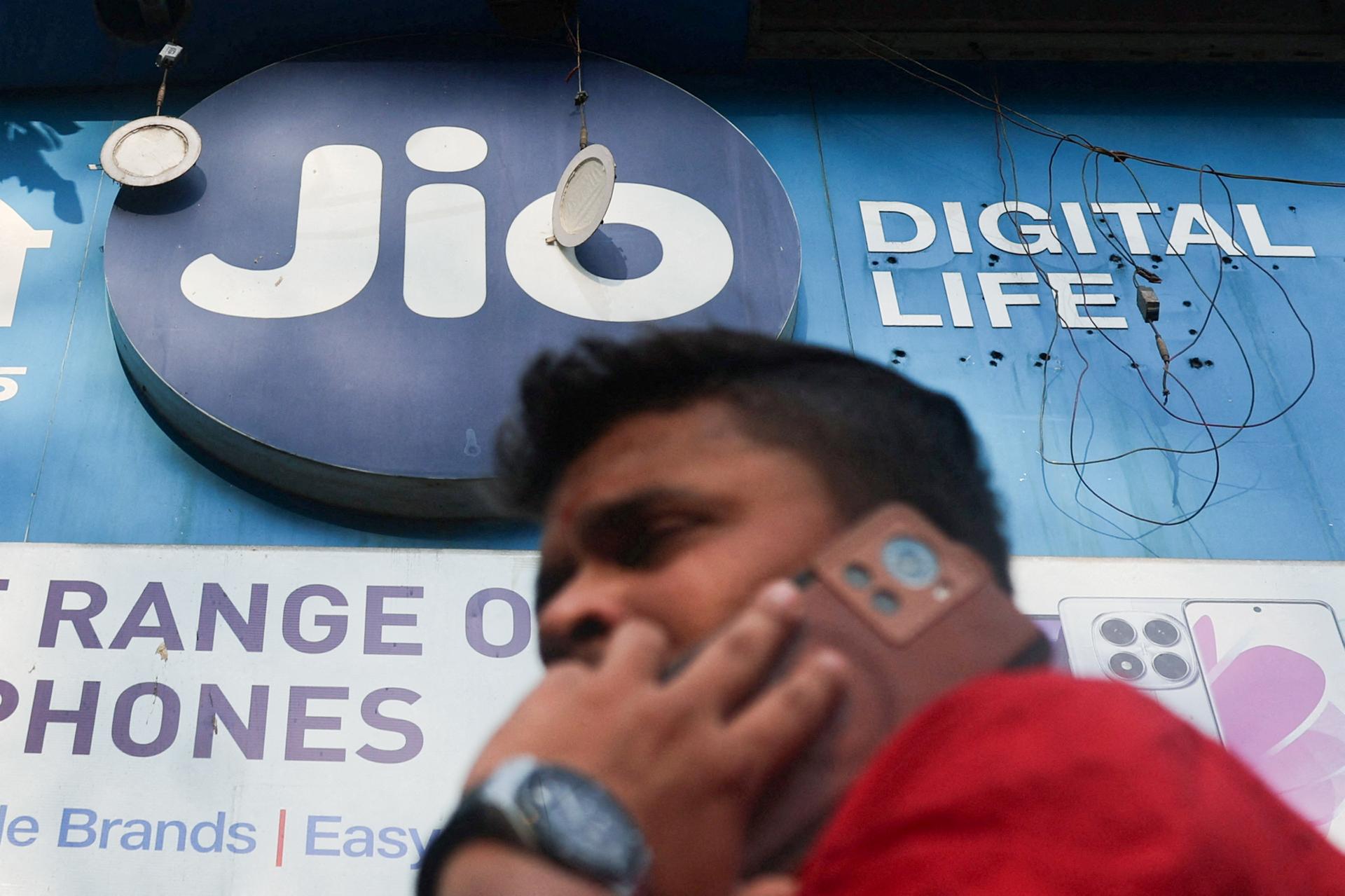
Big-ticket listings expected in the first half of the year have been pushed back, with billionaire Mukesh Ambani’s Jio Platforms now more likely to list later in 2026. Walmart-backed PhonePe has also delayed plans, while the National Stock Exchange is expected to come to market in the coming months.
Just four IPOs were launched in April, raising a modest 11.71 billion rupees, a fraction of the levels seen over the past two years.
While the pause reflects a more challenging market backdrop, it may also bring some benefits.
A cooling of initial public offerings could ease foreign exchange outflows that had risen alongside large exits by private equity investors and other early backers. It may alleviate some pressure on the rupee and also restore pricing discipline after a period marked by aggressive valuations and heavy secondary-market selling.
Jio, for instance, has shifted from a predominantly offer-for-sale (OFS) structure for its IPO to one involving a fresh issue of shares, signalling existing investors will hold on for longer and perhaps more moderate valuations, as Reuters Breakingviews columnist Shritama Bose wrote.
Offers for sale accounted for 59% of total funds raised in the last financial year and 67% the year before, according to a KPMG study.
Such selling, cited by the central bank, contributed to relatively weak net foreign direct investment (FDI) of just over $6 billion in April–February last fiscal year, despite gross inflows of $88.3 billion.
"A shift away from OFS towards fresh fundraising will be beneficial for the market and all classes of investors because it will help IPOs come to market at more reasonable valuations," said Arun Kejriwal, founder of Kejriwal Research and Investment Services.
"When you are raising fresh money, the valuation focus is a little diluted. When you or large investors are selling their own shares, you are more focused on maximising returns," he said.
Block deals by large shareholders that had surged last year, adding to secondary-market supply and weighing on prices, have also eased in recent months.







No comments:
Post a Comment