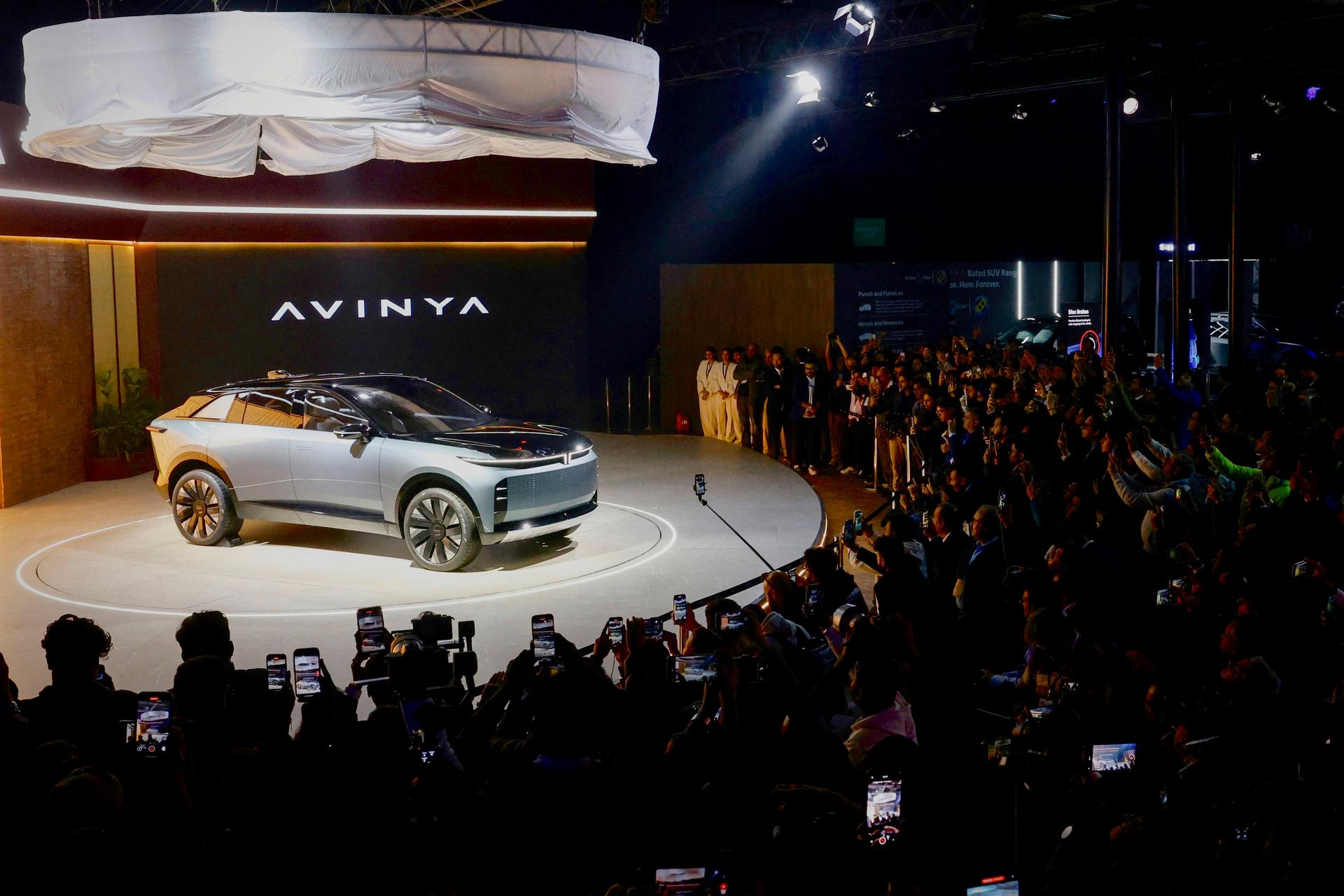
Tata Motors' deal to use Chery's EV platform underscores the importance of Chinese technology, which many analysts say is cheaper and faster to deploy. For Tata, Chery's platform is seen as fast-tracking the launch of its premium electric car brand and is expected to make up for lost time as it seeks to maintain the top spot in the domestic EV market.
You can read more on this in Aditi Shah's analysis.
India's automakers are increasingly importing Chinese EV technology while steering clear of deeper equity partnerships due to political sensitivities. Tata and Chery stressed that their deal doesn't involve an equity stake or any transfer of technological know-how.
New Delhi tightened investment rules in 2020 and deadly border clashes increased scrutiny of Chinese companies, effectively freezing China out of the world's third-largest car market. In 2025, Beijing slammed the brakes on the export of its tech know-how in the tariff standoff with the U.S.
There are signs of detente though, with India offering faster approvals for investments involving minority Chinese stakes across a wider range of sectors.
For now, deals like the Tata-Chery one appear to benefit both sides. India gets access to advanced technology and China gains a foothold in the Indian car market.
"If India wants to expand its manufacturing sector and be part of the global supply chain, partnership with China is inevitable," says Santosh Pai, partner at law firm Dentons Link Legal. "If Chinese companies want to be global leaders, they cannot wish away India and its economic potential."








No comments:
Post a Comment