By Ira Dugal, Editor Financial News, with global Reuters staff
|
|
|
|
Reliance Industries is offering the clearest signal yet on how the Iran war, now in its third month, is rippling through the real economy.
The refining giant, India’s biggest company by market value, late last week flagged “unprecedented” supply disruptions and a sharp hit to profit in its March-quarter earnings. Can a hike in retail prices of fuel products bring partial relief to oil companies while allowing the economy to adjust to the new realities? Write to us at ira.dugal@thomsonreuters.com.
And, the central bank's digital currency, the e-rupee, is being used to make welfare payments more efficient. Scroll down for more on that.
|
|
|
|
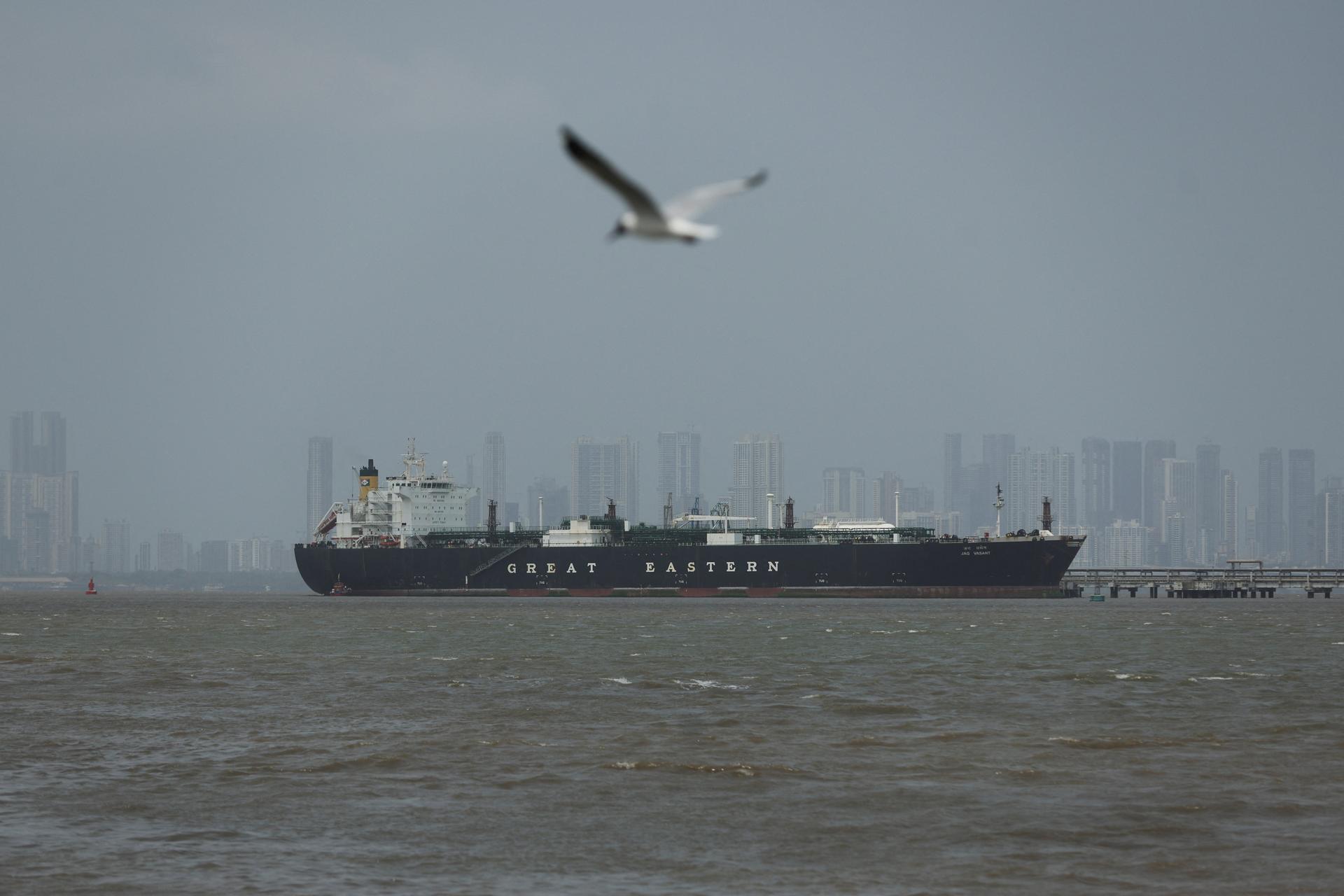
The Jag Vasant vessel transferring LPG at a port after transiting the Strait of Hormuz, in Mumbai, India, April 1, 2026. REUTERS/Francis Mascarenhas/File Photo
|
"Never have we seen this kind of shortage in the market," said Srinivas Tuttagunta, chief operating officer for supply and trading at Reliance, on the company's quarterly earnings call on Friday, referring to a paucity of raw material.
Reliance missed analyst estimates of quarterly profit, which fell 12.5% on-year in the final quarter of India's financial year. Core earnings at its refining business, a key profit driver that contributes nearly a third of group earnings before interest, taxes, depreciation and amortisation (EBITDA), fell 3.7% in the fourth quarter from a year earlier.
"The war in West Asia has led to an unprecedented dislocation in global supply chains," said Chairman Mukesh Ambani in a statement accompanying the earnings, adding that the current situation has underscored the need for India to boost its energy security.
Amid disruptions to supplies from the Middle East, India has diversified its crude imports, relying more heavily on Russia, Reuters' Nidhi Verma reported.
The impact of the Iran war, which has driven up crude prices and caused large-scale supply disruptions, has led to multiple issues for Reliance's oil-to-chemicals business. Crude procurement costs, including freight and insurance, are elevated, while margins in the naphtha, polymer and auto fuel businesses have declined, Mumbai-based brokerage Dolat Capital said in a report after the earnings.
While Reliance, which has seen its share price fall by twice as much as India's benchmark Nifty 50 so far this year, has buffers on its balance sheet via its telecom and retail businesses, the country's other oil companies - many of them government-owned - do not.
Indian fuel retailers are suffering a revenue loss of 100 rupees ($1.06) per liter on the local sale of diesel and 20 rupees per liter on gasoline for selling the two fuels at below-market rates, a bureaucrat in the federal government's oil ministry said.
According to estimates by Mumbai-based ICICI Securities, profit after tax for these oil retailers likely declined by 82% in the March quarter over a year ago as crude oil costs soared but retail prices did not move up in tandem.
While retail fuel prices in India are technically decontrolled, government retailers rarely move prices in line with global prices.
|
|
|
|
Two months into the war now and with no immediate resolution in sight, analysts are questioning whether the government needs to bite the bullet and raise retail fuel prices.
Based on the current estimated price of the Indian oil basket of $120/bbl and low margins for petrol and diesel, "there is a case to raise prices by 25-28 rupees/liter," analysts at Kotak Institutional Equities wrote in a note last week.
While actual increases may be more modest due to "political considerations", the analysts said price hikes are likely after a round of key state elections concludes on April 29. The report met with strong pushback from the government which called it "fake news" via social media handles.
But raising retail fuel prices may be unavoidable. Not doing so will only delay an adjustment in demand in the global economy in response to higher prices. For India, which runs a current account deficit, this can lead to imports remaining high and the gap remaining wide, thereby weighing on the rupee.
“We don't have oil. We don't have energy. Energy needs to be more expensive for everybody, so that the adjustment happens and we consume less,” Rodrigo Valdes, the IMF's new fiscal affairs chief, told Reuters. “It's a global shock and if countries suppress the price signal, the global price will be higher,” he said. Read the IMF's views here.
|
|
|
|
A sharp fall in the Indian rupee has reduced its valuation compared to its trading partners, data from the central bank's monthly bulletin showed.
The South Asian currency's 40-currency real effective exchange rate, which accounts for inflation differentials between different economies, fell to 92.72, the data showed. The undervaluation, however, does not suggest an immediate rebound, analysts pointed out. Read here.
|
|
|
|
India is chipping away at use-cases for its central bank's digital currency, the e-rupee, even as global attention shifts towards stablecoins.
At least 10 pilot projects - from climate aid to food subsidies - are underway to test the use of the e-rupee, Reuters' Jaspreet Kalra and Ashwin Manikandan reported.
Read here for more.
|
|
|
|
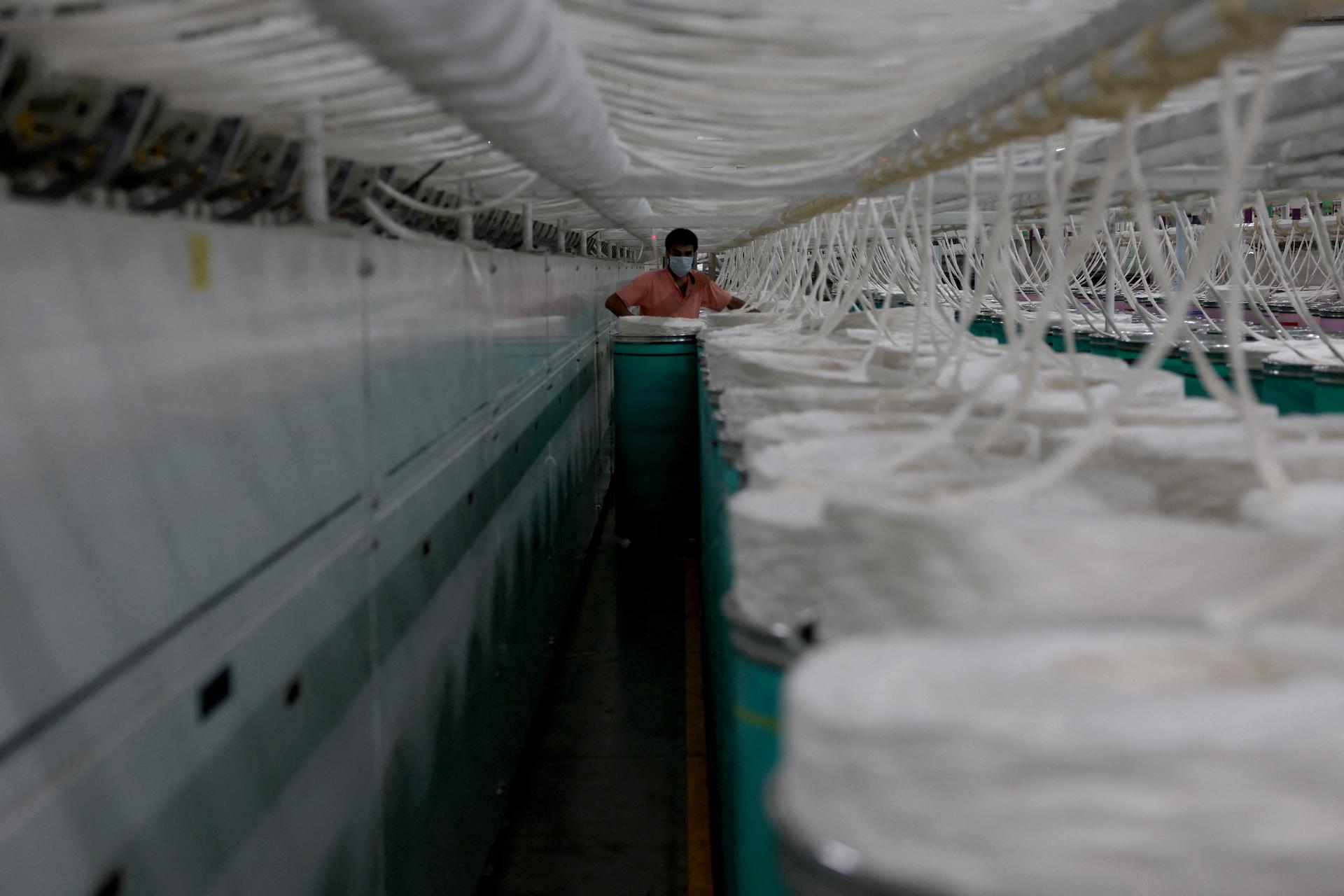
An employee works inside Fiotex Cotspin cotton yarn manufacturing factory at Rajkot, Gujarat, India, April 14, 2026. REUTERS/Amit Dave/File Photo
|
The war between U.S.-Israel and Iran has disrupted a number of industries, from glass to ceramics, but India's cotton companies have emerged as unlikely winners.
The country's cotton yarn makers have seen a surge in demand, particularly from China, which has seen supplies from other countries decline, Reuters' Dhwani Pandya reported.
|
|
|
|
This newsletter was edited by Muralikumar Anantharaman, Editor, Global News Desk, in Singapore.
|
|
|
|
|
| |
|
|
Reuters India File is sent once a week. Think your friend or colleague should know about us? Forward this newsletter to them. They can also sign up here. Want to stop receiving this email? Unsubscribe here. To manage which newsletters you're signed up for, click here. This email includes limited tracking for Reuters to understand whether you’ve engaged with its contents. For more information on how we process your personal information and your rights, please see our Privacy Statement. Terms & Conditions |
|
| |
© 2026 Thomson Reuters. All rights reserved.
3 Times Square, New York, NY 10036 |
|
|
|
|
|






No comments:
Post a Comment