By Lauren Young, Digital Special Projects Editor |
|
|
Younger workers are more likely than previous generations to change jobs, rethink career journeys and experiment with freelance or entrepreneurial work. At the same time, the labor market is less forgiving, making those moves riskier. The median tenure with an employer for workers ages 25 to 34 was 2.7 years in January 2024, compared with 9.6 years for workers ages 55 to 64, according to the U.S. Bureau of Labor Statistics. And Pew Research Center finds that younger workers are less satisfied with their jobs than older workers, even as overall job satisfaction rose in 2024. When I met Janel Abrahami at a LinkedIn event a few months ago, she told me about her reverse-career pivot from a corporate gig to a side hustle and then back-and-forth again. I knew she would be a perfect person to profile for the Reuters Emotional Currency series. But striking it out on your own comes with risks. Read my latest article for tips to make a side hustle a success. And, while you're at it, check out this story about a tech executive who is rethinking work, identity and what comes next. (Related: I'll be celebrating my 16th anniversary with Reuters this month! Happy anniversary to me.) |
| |
Alternatives are coming to your retirement account. REUTERS/Dado Ruvic |
🤑 Does Bitcoin belong in your retirement account? |
The retirement landscape is changing. But is it good for investors? The Trump administration issued a long-awaited proposed rule this week to open up U.S. retirement plans to alternative assets, paving the way for private equity and cryptocurrencies to be added to 401(k) accounts. Depending on whom you ask, that's great news. Younger investors are more likely than older folks to hold cryptocurrencies, exchange-traded funds (ETFs), and investment real estate in their portfolios. They also show strong demand for customized or niche investments not widely available to most consumers, such as private equity, private credit and sustainability-oriented investments, according to new research. What do you think? Would you invest in crypto or private equity for retirement? And, while we are at it, should you be able to use crypto to pay for a house? Let me know your thoughts. Write to me at onthemoney@thomsonreuters.com. |
|
|
Why a global recession is now a legitimate fear. Global markets are growing more concerned about economic growth after U.S. President Donald Trump dimmed hopes for a quick resolution to the Iran war. That's because rising oil prices are putting pressure on corporate margins and consumer wallets. Watch here. |
|
|
💸 Is a stable financial life impossible? |
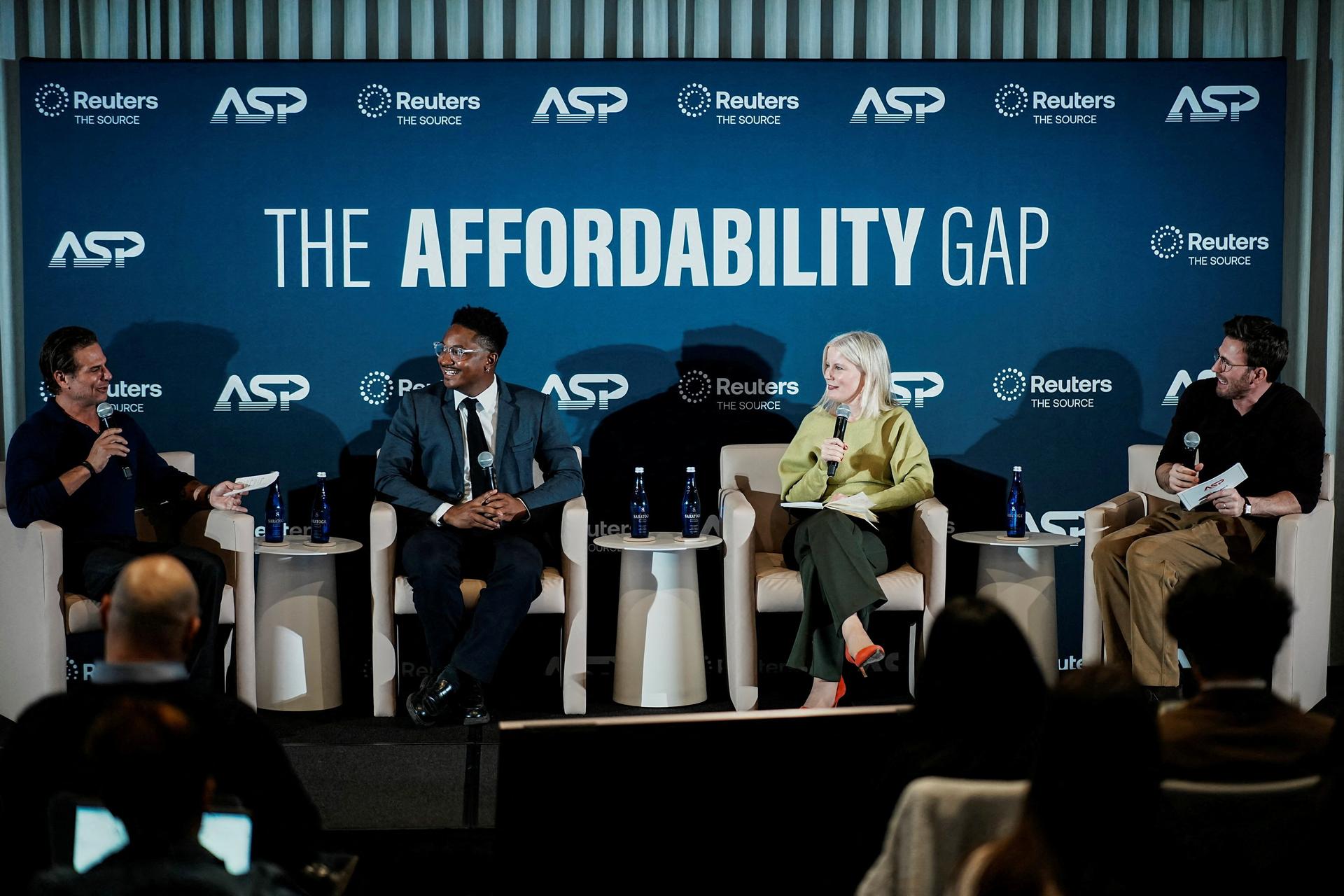
Captain America (Chris Evans) along with Mark Kassen, Chi Osse, Carmel Crimmins in the Reuters house! REUTERS/Eduardo Munoz |
Inflation is driving up prices. The job market is patchy. And a lack of affordable housing is squeezing budgets. Why does creating a stable financial life feel harder than ever? Experts at a recent event in New York hosted by Reuters and civic group A Starting Point offered these tips for Gen Z and millennials to build wealth and cut costs. You can listen to more of the conversation here. And, if you use a bike-sharing program, please wear a helmet! |
|
|
😵 The cost of chronic care could make you sick |
Lauren Less, 33, content creator. Courtesy Justine Burchall |
Did you know chronic conditions are increasingly affecting young adults in the U.S.? From 2013 to 2023, obesity and depression increased among adults ages 18 to 34, and in 2023, obesity, depression and high cholesterol were the most commonly reported chronic conditions in that age group, according to a 2025 CDC study. Read this story about one woman who says spending on wellness is essential because chronic illness taught her that without her health, she can't show up for work, relationships or daily life. She describes health as her top value and says investing in it is something she does because she has "no other choice." But self-care can come at a steep price. If you have a chronic condition, let me know how you are investing in your health, and whether the cost is adding extra pressure to your finances and well being. Write to me at onthemoney@thomsonreuters.com. |
|
|
I have lots of personal finance ideas, but the very best stories come from readers! What personal finance questions do you have about saving, spending, healthcare, credit and more? Write to me at onthemoney@thomsonreuters.com. |
|
|
💰Follow the latest Middle East news |
|
|
This newsletter was edited by Mark Porter. |
|
|
| | | | | Reuters On the Money is sent every other week. Think your friend or colleague should know about us? Forward this newsletter to them. They can also sign up here. Want to stop receiving this email? Unsubscribe here. To manage which newsletters you're signed up for, click here. This email includes limited tracking for Reuters to understand whether you’ve engaged with its contents. For more information on how we process your personal information and your rights, please see our Privacy Statement. Terms & Conditions | | | | | © 2026 Thomson Reuters. All rights reserved.
3 Times Square, New York, NY 10036 | | | |
|
|
|











No comments:
Post a Comment