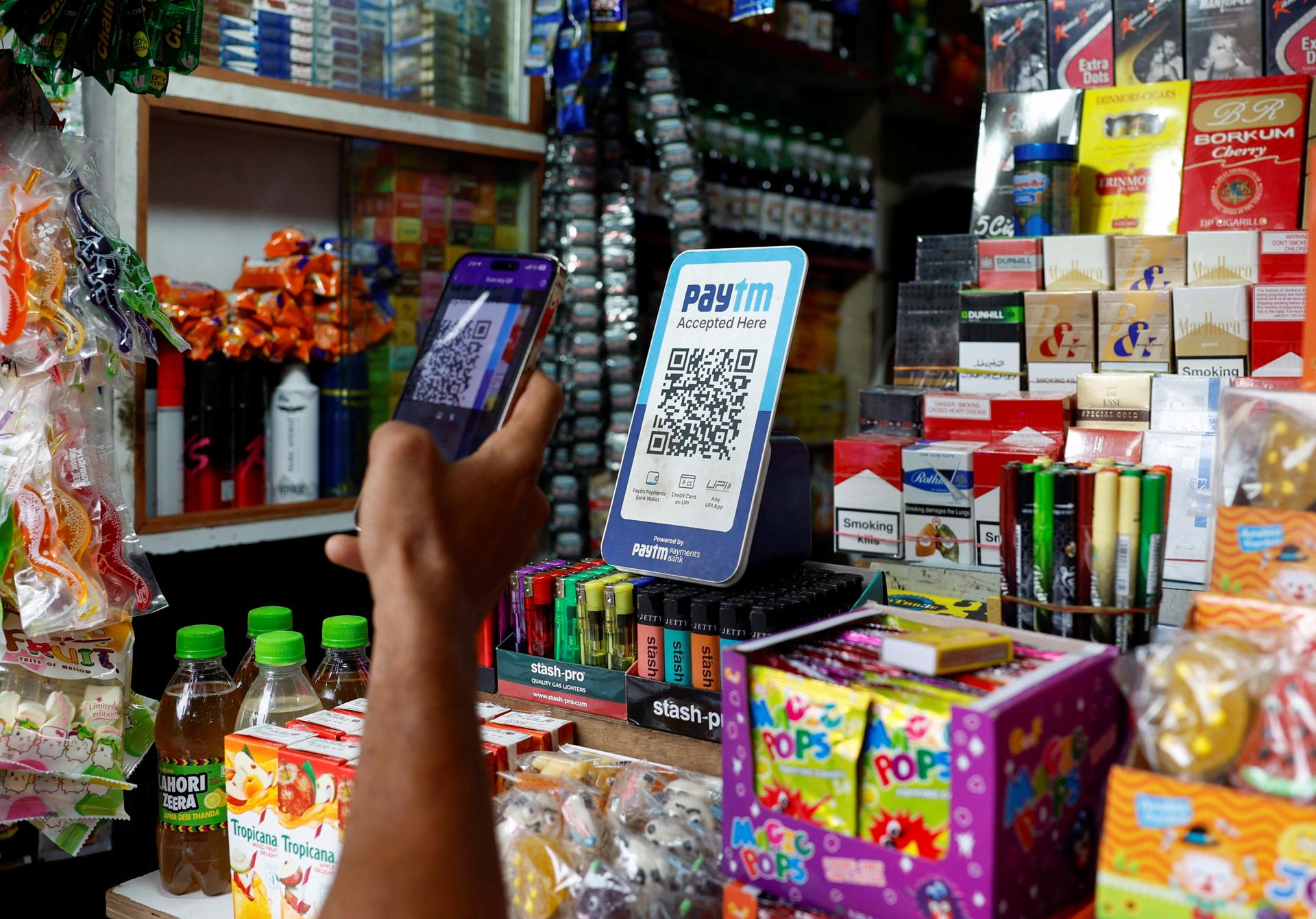
Buying a cup of tea, paying a vegetable vendor or splitting a restaurant bill all now involve the same ritual: scan, tap and go. UPI has become so seamless that it's taken for granted.
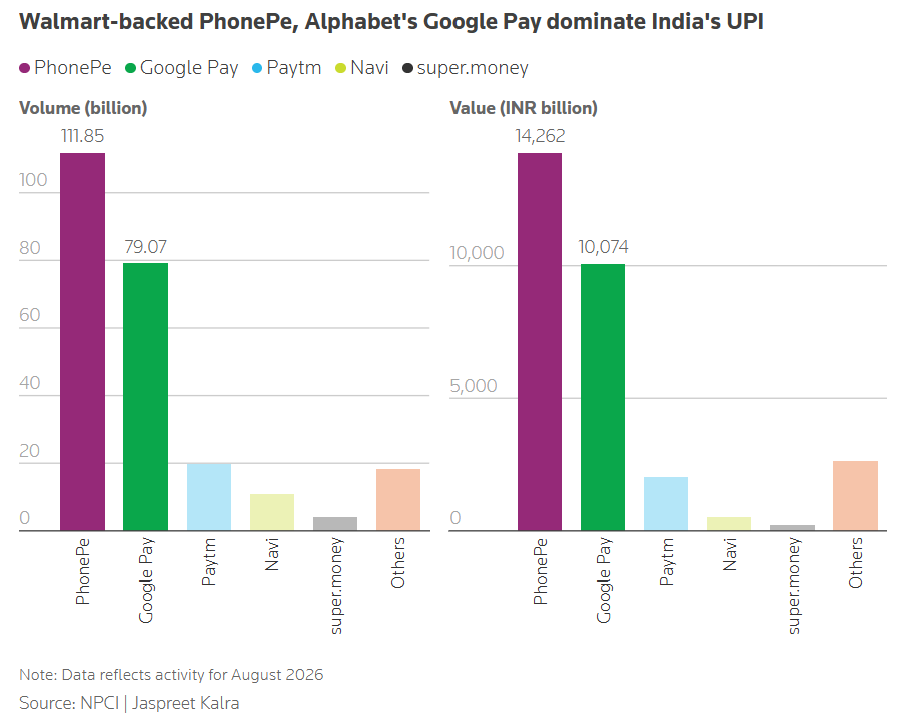
In August, the payments network processed nearly 25 billion transactions worth about 30 trillion rupees ($312.6 billion) for more than 550 million users, accounting for 84% of India's digital payments by volume.
But that ubiquity comes at a very literal cost, as discussion among policymakers shifts from how to get people to use UPI to how to make the network financially self-sustaining.
And so, from October 15 a 0.4% merchant discount rate, or MDR, will apply to UPI payments above 2,000 rupees ($20.84), ending more than six years without any fees.
Small merchants and transactions in outlying areas are exempt, and the government has stressed that the charge cannot be directly passed on to consumers.
However, the same safeguards have not always sheltered credit and debit card users, with merchants sometimes trying to recover costs via surcharges.
“I fear we could see something similar with UPI as well,” said Bengaluru shopper Nilesh Sharma. "The cost of accepting digital payments has often ended up being passed on to consumers."
Meanwhile, business groups warn that the fees could undo years of progress in digital payment adoption just as India heads into the October and November festive period.
"The moment a fee attaches itself to digital payment, cash becomes the path of least resistance," said Kumar Rajagopalan, CEO of the Retailers Association of India.
Read more about the challenges of the change in this explainer by my colleague Jaspreet Kalra.






No comments:
Post a Comment