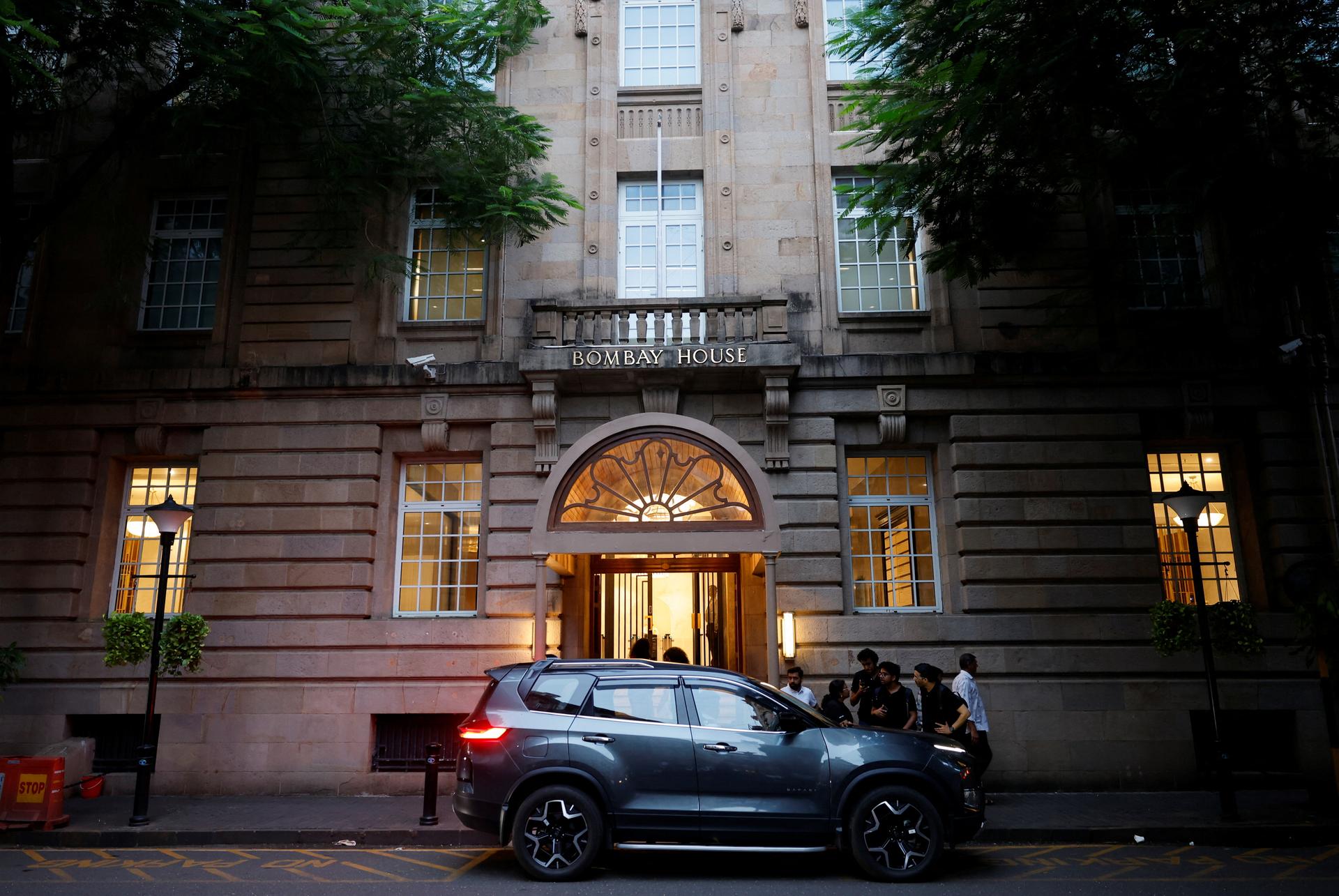
It is not every day that two senior Indian government ministers intervene in a dispute at a non-state corporate group. But when it involves warring factions at the Tatas, one of the country's oldest conglomerates and best known internationally, attempts at mediation by Modi's top lieutenants reflect a sense of urgency. Especially when it could pose a threat to already fragile investor confidence.
The ouster of Mehli Mistry last week from the board of Tata Trusts - the charity arm that controls 66% of Tata Sons and, through it, an empire spanning Air India, Tata Steel and Jaguar Land Rover - marks a fresh chapter in a saga that has long blended philanthropy with corporate power.
Weeks of infighting between factions led by Tata Trusts' Chair Noel Tata and Mistry have exposed a deepening rift within the organisation that effectively controls a $180 billion empire.
The dispute, a year after Ratan Tata's death, centres on who represents the Trusts on the Tata Sons board and how to handle the planned exit of minority shareholder Shapoorji Pallonji Group, which still holds 18% of Tata Sons.
Mistry's exit stemmed from his conditional approval of trustee Venu Srinivasan's reappointment - a move that broke with the Tata Trusts' long tradition of unanimity.
The subsequent board decision to reject the reappointment of trustees, including Vice Chairman Vijay Singh, further signaled how far the group has moved from its consensus-driven decision-making that was championed by the patriarch. Singh called the development "unprecedented", saying the Trusts were entering "a different era".
Mistry, according to Indian media reports, has since filed a caveat with the Charity Commissioner in Mumbai, seeking to be heard before any changes are made to the Trusts' official records - a sign that the dispute could spill into a legal battle over governance norms and the validity of lifetime trusteeships.
The discord has grown so visible that Finance Minister Nirmala Sitharaman and Home Minister Amit Shah have urged the sides to "restore stability" - a rare instance of direct government intervention in corporate affairs.
The episode revives memories of the 2016 public spat that led to Cyrus Mistry's ouster as Tata Sons chair and the protracted legal battle that followed, harming the reputation of both the group and the country in the eyes of investors.
With foreigners pulling some $17 billion from equities this year, this is a controversy that Modi's government would be happy to see a quick end to.







No comments:
Post a Comment