The Modi government has pushed through a nationwide revamp of labour rules, ending a five-year effort to secure state-level consensus on a reform seen as key to supporting India's nearly $4 trillion economy.
Facing steep U.S. trade tariffs and an uncertain global backdrop, Modi has accelerated domestic reforms, including an overhaul of consumer taxes, rationalising quality norms for key manufacturing sectors, and liberalising financial sector regulations.
The implementation of new labour codes now leads that list.
"The focus is on worker welfare and a reduced regulatory burden for businesses, as the government speeds up the reform engine," Nomura economists said in a note.
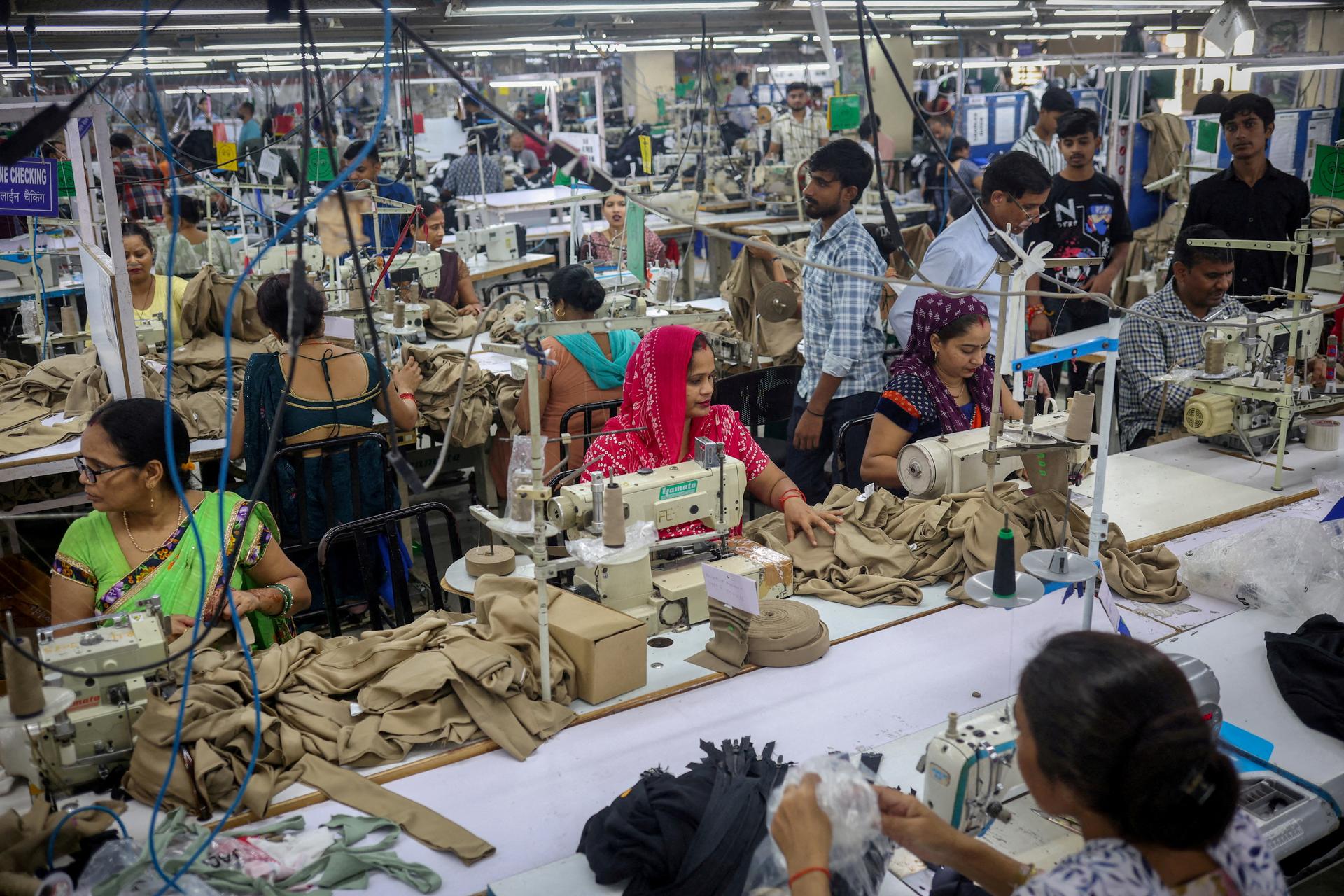
Labour reforms have been seen as particularly crucial for the manufacturing sector, whose share in the economy has remained close to 15% despite decades of efforts to boost the number.
Key benefits from the new reforms for manufacturers, according to Deepti Thakkar, leader of the employment and human resources practice at law firm Nishith Desai Associates, include the ability of enterprises with up to 300 workers - compared with up to 100 earlier - to retrench staff without government permission, offer fixed-term contracts and allow women to work night shifts.
A few large industrialised states, such as Maharashtra in the west and Tamil Nadu in the south, had already liberalised rules, but these will now be uniformly implemented, she said.
Large manufacturing firms, like homegrown conglomerates Tatas and Mahindras, have increasingly relied on contract workers as reducing the workforce has been a challenge.
Recognition of fixed term contracts with benefits, and increasing the threshold for government approvals for layoffs will help in formalising the workforce, Kotak Institutional Equities said in a note.
Less than 22% of India's workforce is salaried, government data for 2023-24 shows, and 42% of workers in the organised manufacturing sector are on contract, double the share of such workers in 1999-2000.
While some provisions of the new labour codes give employers greater flexibility, many benefit workers.
A national minimum wage - still to be determined - will ensure some parity in earnings in different parts of the country, written contracts will become mandatory, gig workers will get social security benefits and employees will be eligible for a lump-sum payment for their years in employment after one year of service
Over the medium term, this will be positive for consumption in the economy by improving worker welfare and social security coverage, UBS economists said in a note, without offering an estimate of the size of economic dividend from the reforms.







No comments:
Post a Comment