India's federal government is looking to re-architect its consumer taxes in a way that could boost domestic consumption as it faces a hostile U.S. administration and a slowing global economy.
The plan, announced at the country's 79th Independence Day, was part of a wider call for self-reliance by Indian Prime Minister Narendra Modi amid what he termed was a rise in "economic selfishness". He also announced a task force to detail next generation economic reforms aimed at making India more business friendly.
Modi's speech came hours before a crucial meeting between the U.S. and Russian presidents which failed to reach a deal to end the war in Ukraine. With no immediate agreement in sight, India, which the U.S. has targeted for its Russian oil purchases, faces a near 50% tariff on exports to the U.S. starting at the end of the month.
A meeting with U.S. trade negotiators planned for this month has also been called off, suggesting a deal before the deadline may be difficult. And ramping up the pressure, White House trade adviser Peter Navarro wrote in an opinion piece published in the Financial Times on Monday that India's purchases of Russian crude were funding Moscow's war in Ukraine and had to stop.
Against the backdrop of economic risk posed by higher tariffs, India has accelerated a long-delayed plan to revamp its goods and services tax, which has been criticised by analysts for its complexity.
As part of the plan, a four-rate tax structure for the goods and services tax (GST) will get collapsed into two rates, with a number of items of daily consumption expected to move to a 5% rate from 12%, effectively reducing their cost. A few will move to the higher rate of 18%, while items such as cigarettes may attract a penal rate of 40%.
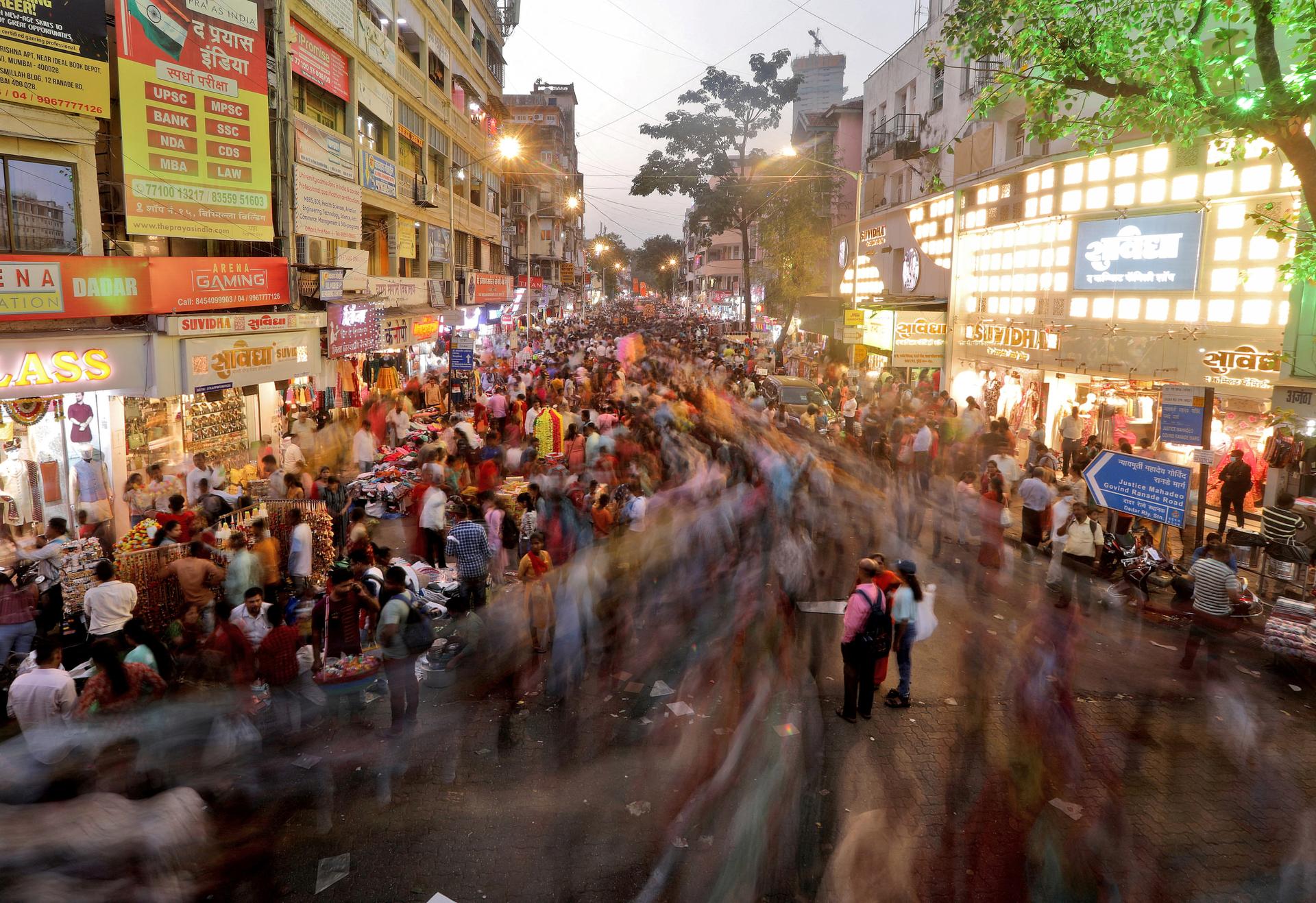
The tax changes are likely to be rolled out by October, Modi said, when India's annual festival season is at its peak, potentially bringing a burst of spending in the world's most populous country, where private consumption forms 60% of the nearly $4 trillion gross domestic product.
The changes could potentially boost GDP growth by as much as 0.6% over a 12-month period, Gaura Sen Gupta, chief economist at IDFC First Bank, said. This could add roughly about $20 billion to the country's nominal GDP. Inflation could fall by 50-60 basis points, said Madhavi Arora, chief economist at Emkay Global Financial Services.
Read here for products and companies most impacted.
Indian stock indices saw their best gains in seven weeks on Monday, with auto and consumer stocks surging. But bond yields, which had already begun moving higher, rose another 10 basis points as economists flagged fiscal risks. The government, however, expects to maintain its fiscal deficit target for the current year at 4.4% of GDP, a source said.
The tax changes still need the approval of Indian state governments, which form part of the GST council, and agreements have not always been easy.







No comments:
Post a Comment