By Ira Dugal, Editor Financial News, with global Reuters staff |
|
|
As global supply chains start to break apart and reassemble under new tariff realities, could India set itself up to be among the winners? Which sectors could draw global manufacturers? That's the focus of our analysis this week. And in the aftermath of the Kashmir attack, India begins to raise the capacity of hydroelectric projects in the Himalayan region after suspending a 1960 water-sharing treaty with Pakistan. |
|
|
Semiconductors vs smartphones |
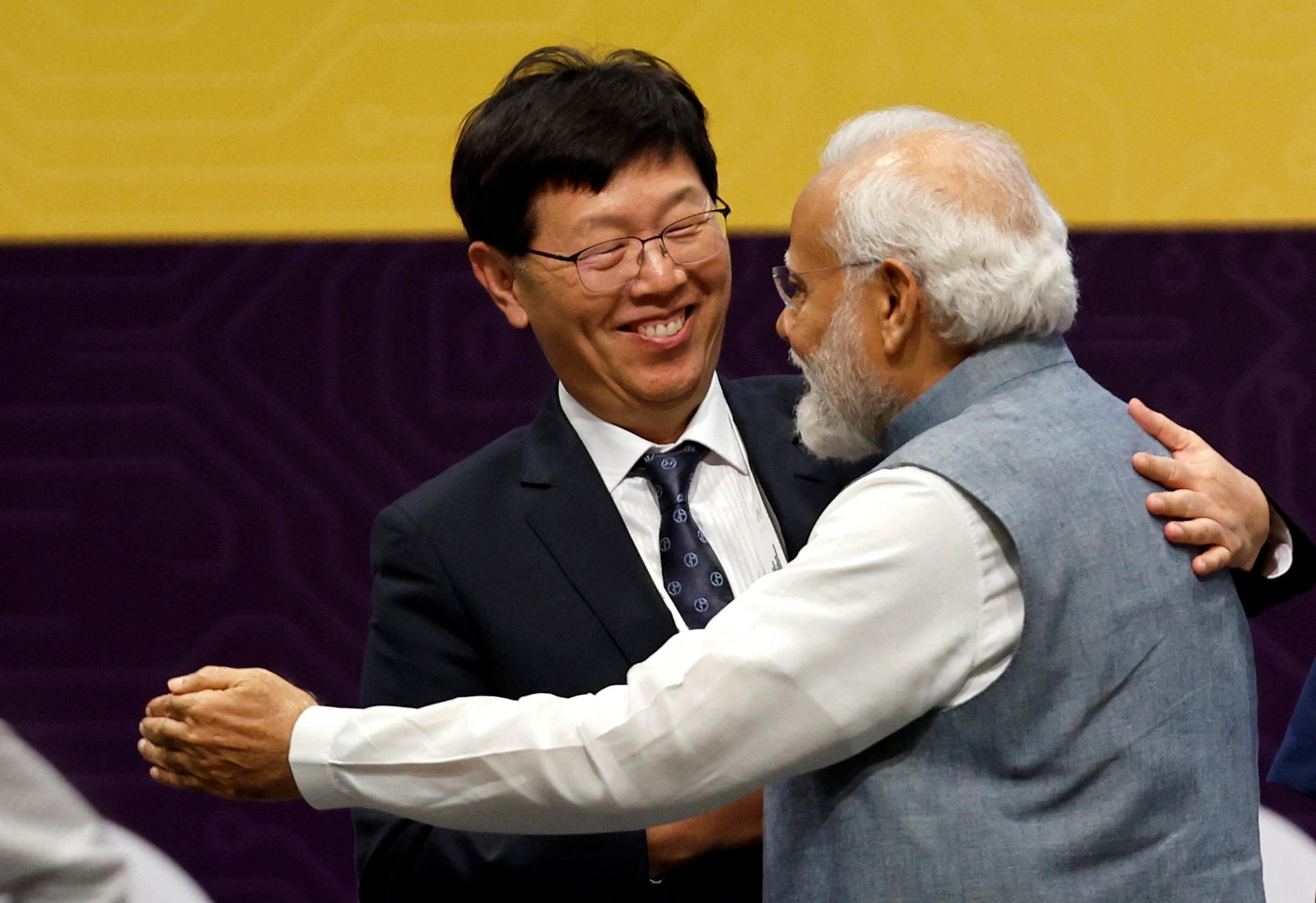
Indian Prime Minister Narendra Modi greets Foxconn Chairman Young Liu during the 'SemiconIndia 2023', India's annual semiconductor conference, in Gandhinagar, India, July 28, 2023. REUTERS/Amit Dave |
India's age-old but as yet unfulfilled hopes of building up its manufacturing sector have another window of opportunity, as long-established global supply chains snap under the strain of U.S. President Donald Trump's tariff wars. India is working to close an early trade deal with the U.S., offering rare concessions but also seeking favourable tariff treatment for labour-intensive sectors, Shivangi Acharya and Manoj Kumar reported. Read here for the details. Against this backdrop, two unrelated developments drive home that India will have to choose its manufacturing battles carefully to lock in gains from a once-in-a-lifetime trade and supply chain reshuffle. The first is a setback to India's attempt to become a semiconductor manufacturing hub. Billionaire Gautam Adani's group has paused talks with Israeli partner Tower Semiconductor for a $10 billion chip project after concluding it did not make commercial sense. Indian software firm Zoho's plans to expand into chip manufacturing have also fallen through. Despite the government's attempts, including 760 billion rupees ($9.00 billion) in state subsidies to set up new factories, India has yet to get any real traction in semiconductor manufacturing. But in smartphones, it's a different story. Apple Inc. is considering moving to India all its iPhone production for the U.S. market. Indeed, it has already been accelerating India's output and exports in the lead-up to the tariffs' implementation. |
|
|
India has not been spared from U.S. tariffs but the rates are far below those imposed on China, and the shift of output to India may already be showing up in macroeconomic data. In April, India's export orders grew at the second-fastest pace in 14 years. Whether this reflects a "tariff front-run" during the 90-day pause in Trump's hefty "reciprocal tariffs" or the beginning of a full-on shift in production will be judged as more detailed export data flows in, Capital Economics said in a note on Friday. But India is well-positioned to become an alternative to China as a supplier of goods to the U.S, said Shilan Shah, deputy chief emerging market economist at Capital Economics. "More than 40% of India's exports to the U.S. are similar to those exported by China," he said. According to Nomura, there is growing anecdotal evidence of trade diversion and supply chains shifting to India due to higher tariffs on China and other competitor nations. For now, this is visible in low- and mid-tech sectors such as consumer electronics, textiles and toys, economists Sonal Varma and Aurodeep Nandi wrote in a note on April 30. But there are spoilers that could trip up this opportunity. One is the need for reforms that would make doing business in India easier, such as simplifying customs processes and speeding up the clearance of shipments through Indian ports. Another, which would be tougher to overcome, is India's dependence on imported components from China in major sectors such as electronics and solar equipment. Are you seeing signs that India is moving fast enough to capture the opportunity created by the global trade shuffle? Write to me at ira.dugal@thomsonreuters.com |
|
|
The Indian central bank's plan to buy 1.25 trillion rupees in government bonds in May, following similarly large purchases in April, has pulled down overnight interbank lending rates below the policy rate. This, analysts say, is acting as a de facto interest rate cut over and above the 50 basis points in cuts announced by India's Monetary Policy Committee so far this year. There is room for further rate cuts, but with caution, an external member of the committee told Reuters. The liquidity infusions have brought down borrowing costs, leading to a rush of bond issuance. |
|
|
India has begun work to boost holding capacity of reservoirs at two hydroelectric projects in the Himalayan region of Kashmir. Last month, New Delhi suspended the 1960 Indus Waters Treaty with Pakistan after an attack on tourists in Kashmir. Read more in this Reuters exclusive. Pakistan has denied India's accusation that it was behind the attacks and is preparing to challenge the suspension of the treaty, which ensures water for 80% of Pakistani farms. |
|
|
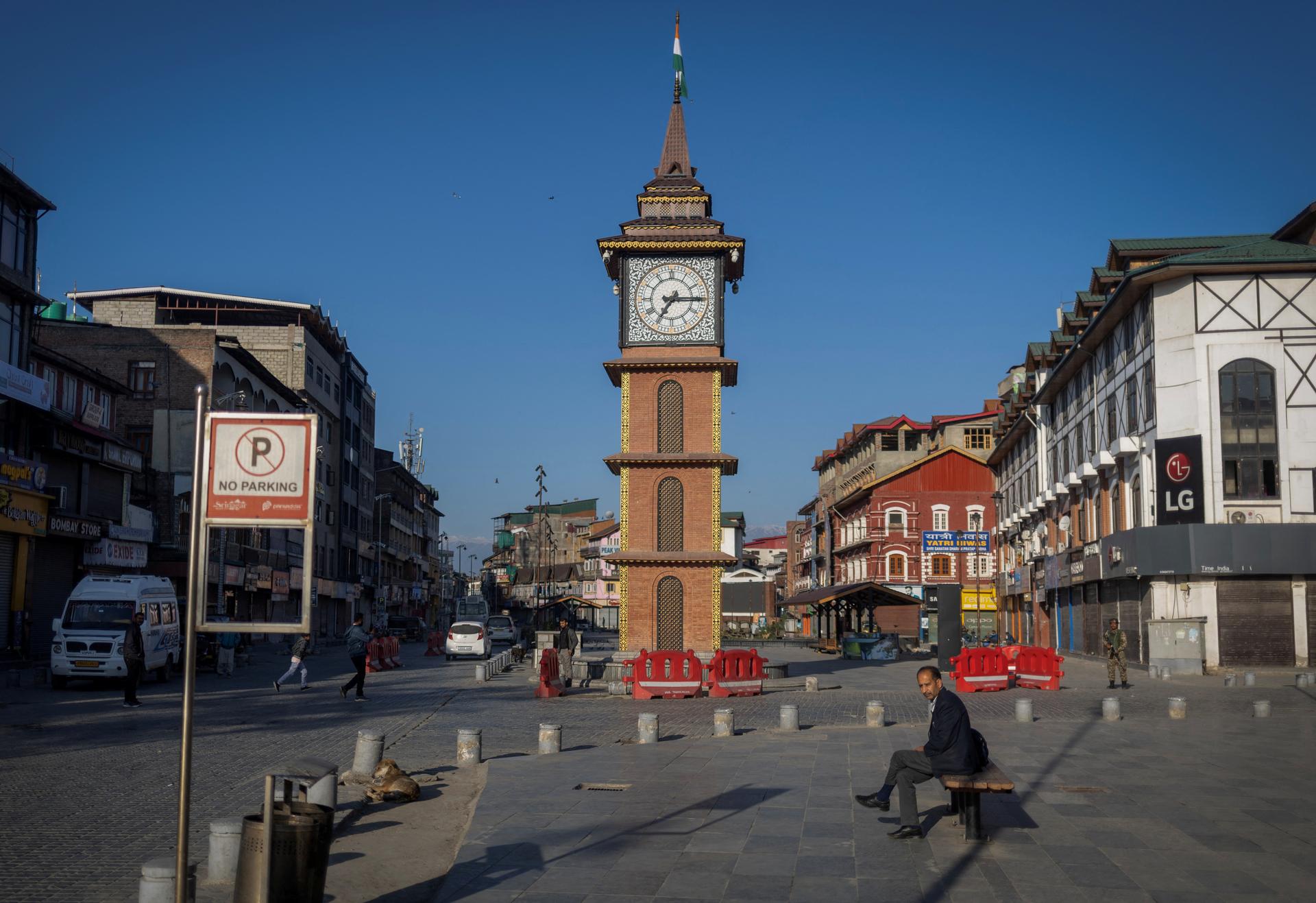
A Kashmiri man sits on a bench in front of a clock tower at Lal Chowk area in Srinagar, Kashmir, April 29, 2025. REUTERS/Adnan Abidi |
After the deadly attack on Indian tourists in Kashmir last month, tourist hotspots on both sides of the India-Pakistan border are now empty. Hotels and houseboats in the region, which were fully booked ahead of the attack, are now offering discounts of up to 70% after travellers fled. As tensions soar between the two nations once again, Kashmiris in both countries are waiting and preparing for war. |
|
|
This newsletter was edited by Edmund Klamann, Deputy Head, Asia Desk in Singapore. |
Reuters India File is sent once a week. Think your friend or colleague should know about us? Forward this newsletter to them. They can also sign up here. Want to stop receiving this newsletter? Unsubscribe here. To manage which newsletters you're signed up for, click here. This email includes limited tracking for Reuters to understand whether you've engaged with its contents. For more information on how we process your personal information and your rights, please see our Privacy Statement. Terms & Conditions |
|
|
|






No comments:
Post a Comment