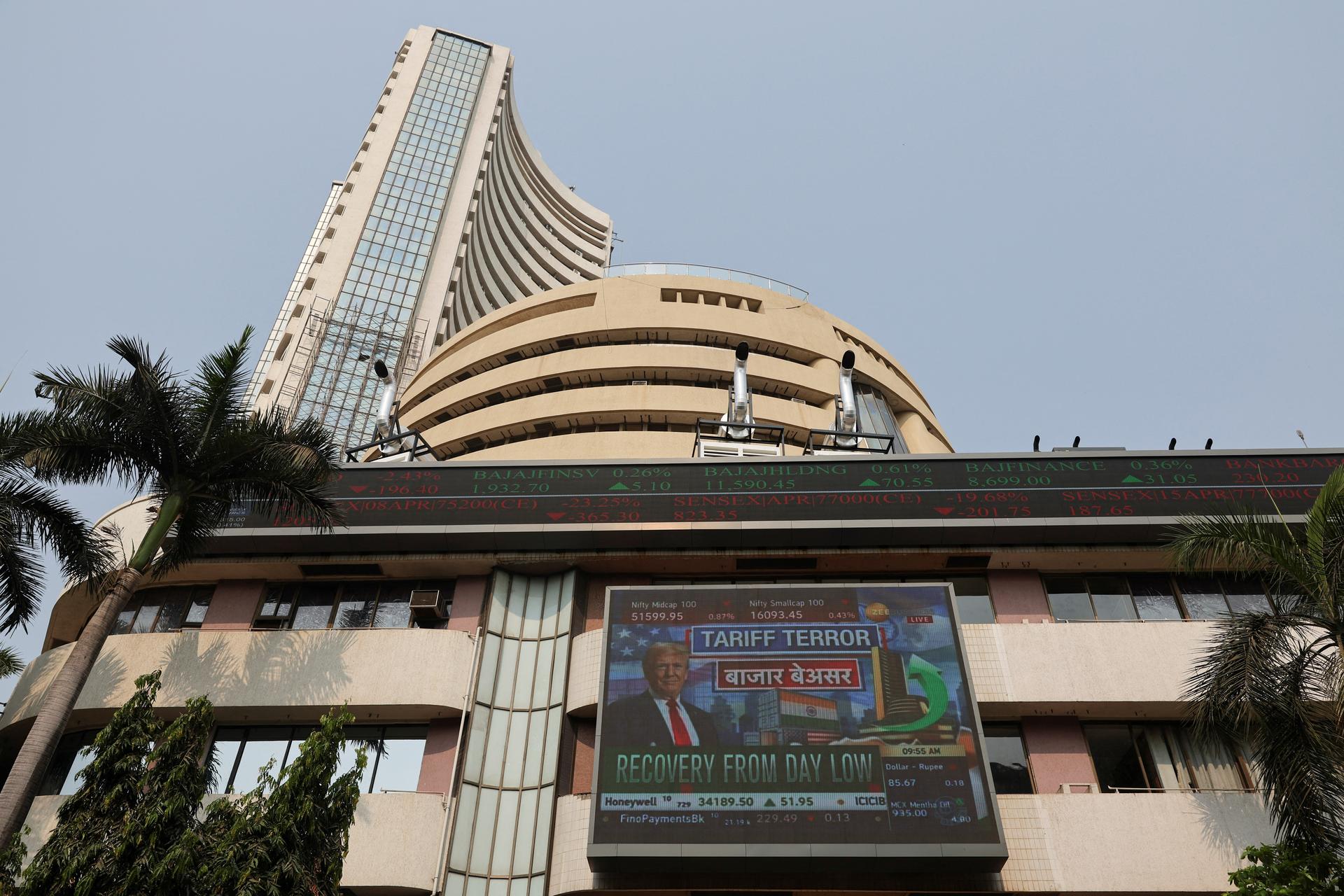
Foreign investors have remained sellers of Indian stocks, offloading a net 346 billion rupees ($4 billion) so far this month, but domestic institutions have remained net buyers through the turmoil, pumping in 256 billion rupees, data from India's exchanges shows. That has helped to limit the stock benchmarks' losses.
"India outperformed due to domestic flows, economic growth and capital efficiency but now foreign investors (FIIs) should return even as domestic capital doubles down," said Harsh Madhusudan Gupta, fund manager at Mumbai-based fund Ionic by Angel One.
Gupta cites India's strong growth, reasonable valuations and the fall of the dollar from a multi-decade high, which should give comfort to the rupee, as factors that could attract foreign investors.
Investors are also picking sectors and themes least exposed to the uncertain global economy.
Jefferies is optimistic about banks, power, telecoms, automobiles and property.
Banks and power stocks also found space in JP Morgan's top India picks, as did consumer stocks, defence and hospitals.
These are themes that are insulated from global trade volatility and could get a boost as the domestic economy bottoms out, JP Morgan India strategists said in an April 10 report.
Nilesh Shah, managing director at Kotak Mahindra Asset Management, argues that India's new tax rebates, announced in the budget for the financial year that started this month, could support the consumption theme in India, as could lower interest rates and a likely drop in fuel prices.
"Domestic themes like cement, building materials and consumer discretionary look attractive from a longer-term point of view," Shah said in a note.
The BSE FMCG Index, a basket of consumer goods firms whose products range from food to toiletries, has gained 3.3% since the reciprocal U.S. tariffs were announced.
In contrast, stocks in sectors such as IT services, where bellwether Tata Consultancy Services has warned of the adverse impact of global turmoil, have been under pressure. An index of IT services shares has fallen 9% since the tariff announcement.
Shares of pharmaceutical manufacturers, which have yo-yoed with Trump's tariff pronouncements, could also remain on the back foot as prescription drugs become a target in the trade war.
The Nifty Pharma index of pharmaceutical stocks has declined 2.3% since April 2, despite early exclusion from the reciprocal tariffs.
Will Indian markets outperform as investors look for places to hide amid global turmoil? Write to me at ira.dugal@thomsonreuters.com






No comments:
Post a Comment